
One of the most important things to consider when carrying out repairs or alterations to an older property is whether the materials being used are compatible with the original construction.
Whilst modern building materials can perform extremely well when used in the right circumstances, they are not always suitable for traditionally constructed buildings.
Unfortunately, works undertaken with the intention of improving an older property can sometimes contribute to the development of defects which were not previously present.
Understanding traditional construction
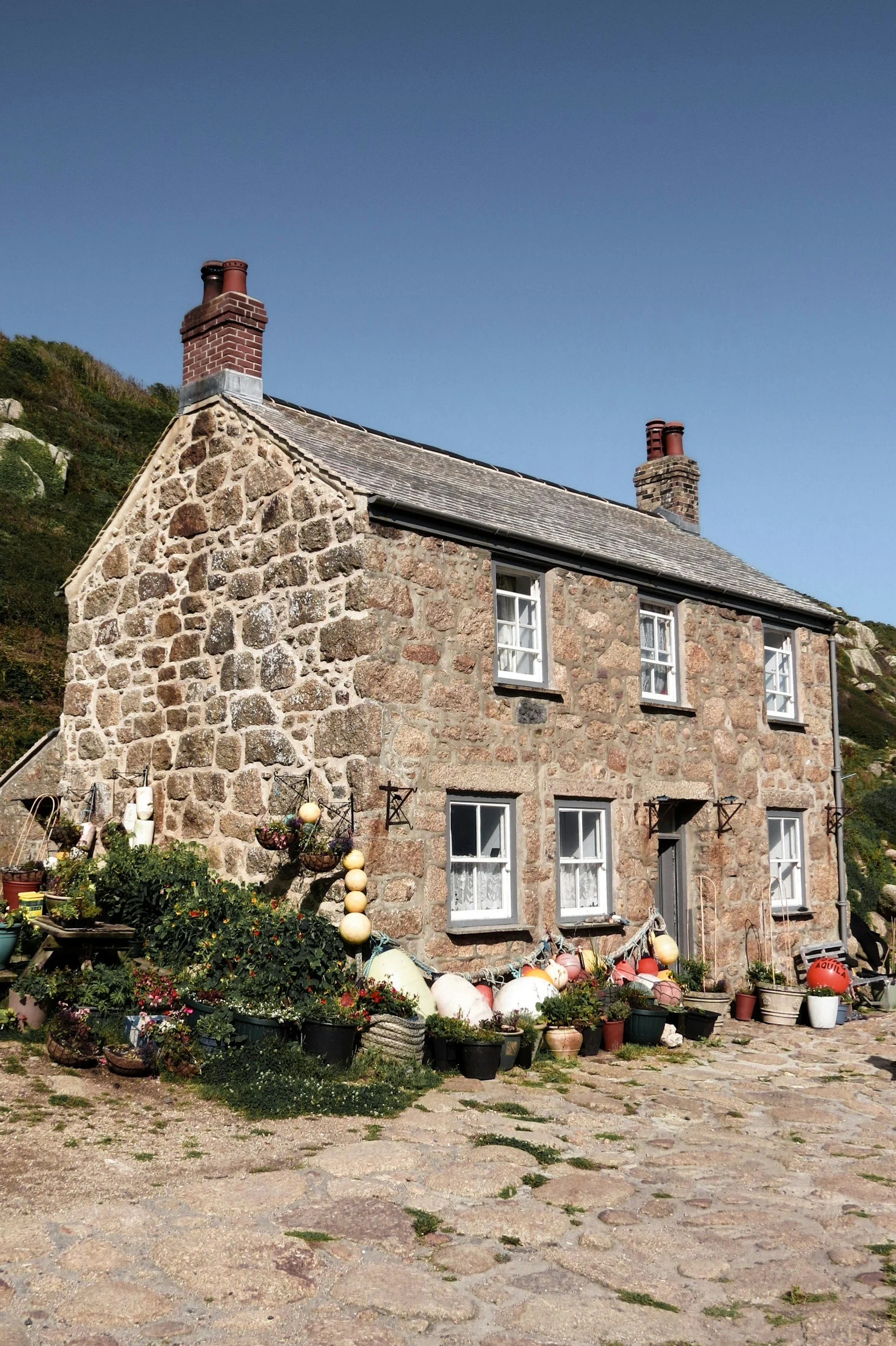
Many older properties on the Isle of Man, including traditional Manx cottages and Victorian townhouses, are constructed with solid masonry walls rather than the cavity walls generally found in more modern properties.
Modern cavity wall construction incorporates various measures to manage moisture and restrict its passage into the property.
Traditional solid masonry construction manages moisture differently. The thickness of the walls, the materials used and their ability to absorb and subsequently release moisture all contribute to how the building performs.
You may have heard people refer to older buildings needing to 'breathe'. This is a relatively simple way of describing the ability of certain building materials to allow moisture to move through them and evaporate.
Where this ability is reduced, problems can develop.
Cement render and pointing
One example is the use of hard cement-based mortars and renders on traditionally constructed masonry walls.
Lime-based mortars are generally more flexible and permeable than hard cement-based alternatives. They can accommodate a degree of movement within the building and assist with the evaporation of moisture.
Where a hard cement-based render has been applied to a traditional masonry wall, cracking can develop as a result of differences in how the materials respond to movement and changes in temperature and moisture levels.
Rainwater can penetrate through these cracks, whilst the relatively impermeable nature of the render can restrict the ability of the underlying wall to dry out.
Similarly, where hard cement mortar has been used to repoint softer brickwork or stonework, deterioration can occur to the masonry itself rather than the mortar joints.
It is therefore possible for a wall which appears to have been relatively recently repaired to be experiencing deterioration as a result of the materials used.
Internal finishes and damp-proofing works
It is not just the external finishes that need to be considered.
The use of certain internal plasters, impermeable coatings and waterproofing systems can also affect how moisture moves through a traditionally constructed building.
Where there are existing issues with moisture, applying a waterproof coating internally may temporarily conceal the symptoms without addressing the source of the problem. In some circumstances, this can result in moisture accumulating within the building fabric or affecting adjacent areas.
This is particularly important where timber floor joists or other structural timbers are built into masonry walls, as prolonged exposure to moisture can contribute to timber decay.
Before undertaking damp-proofing works, we would recommend establishing where the moisture is coming from and considering how the proposed works may affect the building as a whole.
Improving insulation and energy efficiency
Naturally, many owners of older properties want to make their homes warmer and more energy efficient.
There are plenty of ways in which improvements can be made, but care needs to be taken when introducing insulation and reducing uncontrolled air movement within traditionally constructed buildings.
Inappropriate insulation systems, poor detailing and insufficient ventilation can alter the temperature and moisture conditions within the building, potentially resulting in condensation or moisture accumulating in concealed areas.
Improving the energy efficiency of an older property is not simply a case of installing as much insulation as possible. The existing construction, condition, ventilation and exposure of the building all need to be considered when determining the most appropriate approach.
Does this mean modern materials should never be used?
Not at all.
There are many circumstances where modern materials can be used successfully in older buildings. Equally, there may be little benefit in removing an existing finish which is performing satisfactorily simply because it is not traditional.
Removing inappropriate render or pointing can itself cause damage to the underlying masonry if the works are not undertaken carefully.
The suitability of a particular material or method of repair will depend on the construction and condition of the individual property.
If you own a Registered Building on the Isle of Man, it is also worth establishing whether any proposed works require Registered Building consent before proceeding.
Our advice would be to understand how your property was constructed, how it has subsequently been altered and why any defects have developed before deciding on the most appropriate method of repair.
Older properties have often stood for hundreds of years. With appropriate maintenance and careful consideration of the materials used when carrying out repairs, there is no reason why many of them cannot continue to serve their owners for generations to come.
If you are experiencing issues with an older property and are unsure how best to address them, we would be happy to discuss your concerns and advise on the most appropriate next steps.