
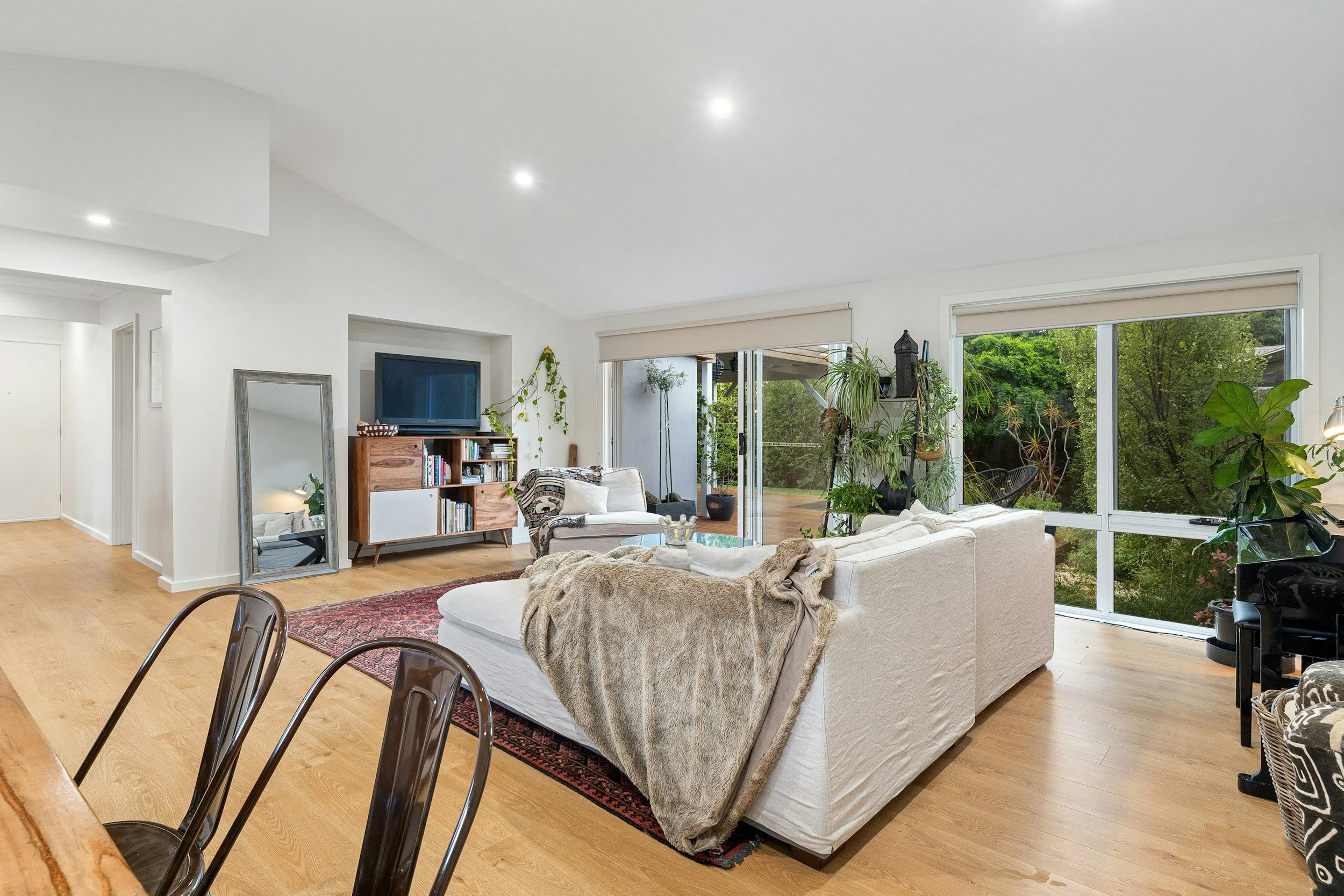
When viewing a recently renovated property, it can be easy to assume that there is little to be concerned about. The walls have been freshly decorated, the kitchen and bathrooms have been replaced and the property appears to be ready to move into.
You may even be questioning whether you need a Home Survey at all.
Over the years, we have inspected many properties which initially appeared to be in very good condition, but where a more thorough inspection revealed defects that would not ordinarily have been apparent during a viewing.
Whilst many renovations are carried out to a high standard, there is an important distinction between the cosmetic appearance of a property and the condition of the building itself.
What has actually been renovated?
The extent of renovation works can vary considerably from one property to another.
Some properties may have undergone extensive refurbishment, including replacement of the roof covering, electrical installation, heating system and other building elements. Others may have simply been redecorated and had new floor coverings, kitchen units and bathroom fittings installed.
A property which looks almost new internally may still have an ageing roof covering, deteriorating chimney stacks, outdated services or underlying issues with dampness.
New plaster and decorative finishes can also make previous signs of dampness and cracking less apparent, particularly where the works have only recently been completed.
This does not necessarily mean that defects have been deliberately concealed, but it is something worth considering when purchasing a recently refurbished property.
Have alterations been carried out?
Renovation works often involve alterations to the original layout of a property. This may include the removal of internal walls to create open-plan living areas, the removal of chimney breasts or the conversion of roof spaces into additional accommodation.
Where these works have been undertaken, it is important to consider whether they appear to have been carried out appropriately and whether any necessary approvals and supporting documentation are available.
Your advocate can assist with making the relevant enquiries as part of the purchase process.
The importance of looking beyond the finishes
During a property viewing, it is quite natural to focus on the layout, decoration and features of the property. After all, these are often the things that attract you to it in the first place.
As surveyors, we are looking at the property from a different perspective.
We consider its construction, the condition of the individual building elements, how they interact with one another and whether there are any signs of defects or inappropriate alterations.
Areas such as roof spaces, rainwater goods, chimney stacks and external wall junctions may receive very little attention during a viewing, but can have considerable implications for the future maintenance of the property.
Whilst a Home Survey cannot establish the condition of every concealed building element, it can identify defects, warning signs and areas where further investigations or enquiries would be beneficial.
Which survey should you have?
The most appropriate survey will depend on the age, construction and condition of the property, as well as the nature and extent of any alterations.
A Level 2 Home Survey may be suitable for a conventional property which has undergone relatively straightforward refurbishment. However, where an older property has been extensively renovated or significantly altered, we would generally recommend considering a Level 3 Home Survey.
A recently renovated property can be a fantastic purchase, and having a survey is not about trying to find fault with the works that have been carried out. It is about helping you understand the condition of the property beyond what you can see during a viewing.
At Manx Surveyors, we want you to feel confident that you understand what you are buying before you buy it. If you are unsure which survey would be most appropriate, feel free to get in touch and we can discuss the property and your circumstances with you.